How It Works: Basement Waterproofing Referrals in Pittsburgh, PA
Here is the route a basement request from Pittsburgh, PA takes once you send it. One independent local contractor receives it, and the visit, the written estimate and any agreement stay between you and that company.
A Referral Service, Explained
Basement Waterproofing Pittsburgh PA is a free referral service, not a waterproofing business. Under Pennsylvania's Home Improvement Consumer Protection Act, anyone who offers or agrees to do home improvement work, with waterproofing named in the law, counts as a contractor and must register with the Attorney General. This site has no such registration. So it never offers, agrees to or performs basement work, sets no prices and names no contractor. Its one job is handing your request to a single independent company working in the Pittsburgh area.
About money: contractors may pay this site for advertising, currently as a free trial. Asking costs you nothing, and no gift, coupon or other perk comes with it.
Start to Finish
- You describe the water. Share your address and a line or two about where dampness shows up, through the form.
- A single contractor receives it. Your details go to one independent company and aren't passed around.
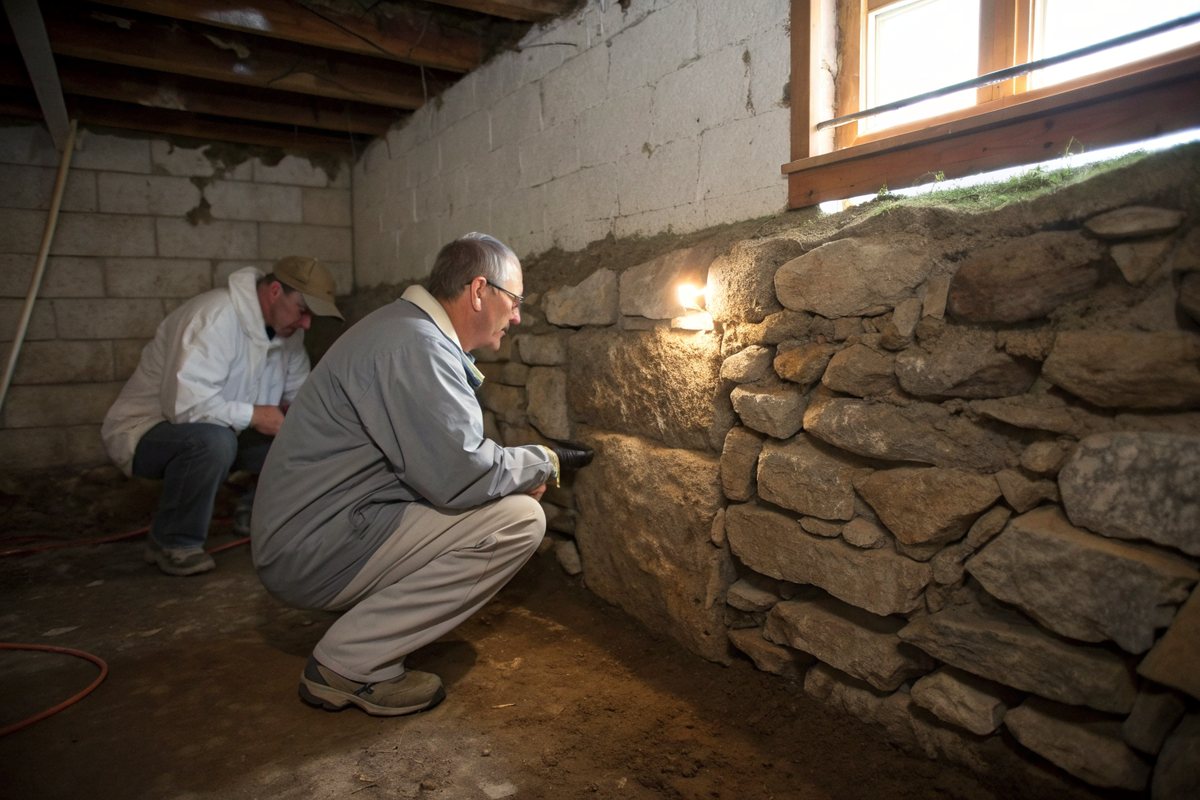
- The contractor sets up a visit. They get in touch, pick a time and look over walls, drains, gutters and grading.
- The choice is yours. With a written estimate in hand, ask questions, compare other quotes if you like, and sign only when you're satisfied.
Checking a Contractor's Paperwork
Pennsylvania has no separate waterproofing license, though every home improvement contractor registers with the state, and Allegheny County licenses plumbers. Nobody here checks any of it on your behalf, so bring these questions to the visit.
- The PA registration number. Pennsylvania wants it in the company's advertising and on its estimate and contract; check it on the Attorney General's website or by dialing 1-888-520-6680.
- Who pulls the permits. Inside the City, the contractor (not you) should pull any PLI permit, and PLI wants its own General Contractor license for some jobs, such as work on rental or investment property. On a steep or landslide-prone lot, ask whether extra City review applies. Elsewhere, ask the municipality.
- Who does the plumbing. Tying a sump into a drain, adding a backwater valve or repairing a lateral takes an Allegheny County licensed master plumber and a County plumbing permit.
- Coverage on paper. Request copies of the liability insurance and workers' comp certificates.
- A complete written contract. Above $500, the contract should spell out when work begins and ends, what it costs in total, the company's registration number and your right to cancel.
- A fair deposit. Above $5,000, a deposit generally stays at or under a third of the contract price, and no money should change hands until the contract is signed.
- Warranty, address and pace. Get the warranty in writing and ask whether it transfers to a buyer. Look for a local address and references, and walk away from same-day pressure.
What We Don't Do
After the hand-off, this site is out of the picture. It sends nobody to your house, prepares no estimates, sets no prices, handles no money and signs nothing. It doesn't favor one repair method, and it has no role in insurance. Anything about the job itself, its warranty or its invoice is the contractor's to answer. If a dispute stalls there, the Pennsylvania Attorney General's Bureau of Consumer Protection takes home improvement complaints (1-888-520-6680), PLI answers City permit questions and the Allegheny County Health Department oversees plumbing.
Ready to Start?
Send the form when you have a spare minute, and one contractor will reach out to arrange a visit.